
AYENEHآینه
The Mirror Polisher
You keep a mirror-polisher’s stall in a Persian bazaar. The customers bring you glass. They are asking about themselves.
Day One is free. One purchase keeps both years. iPhone · iPad · Mac
Every glass has two doors
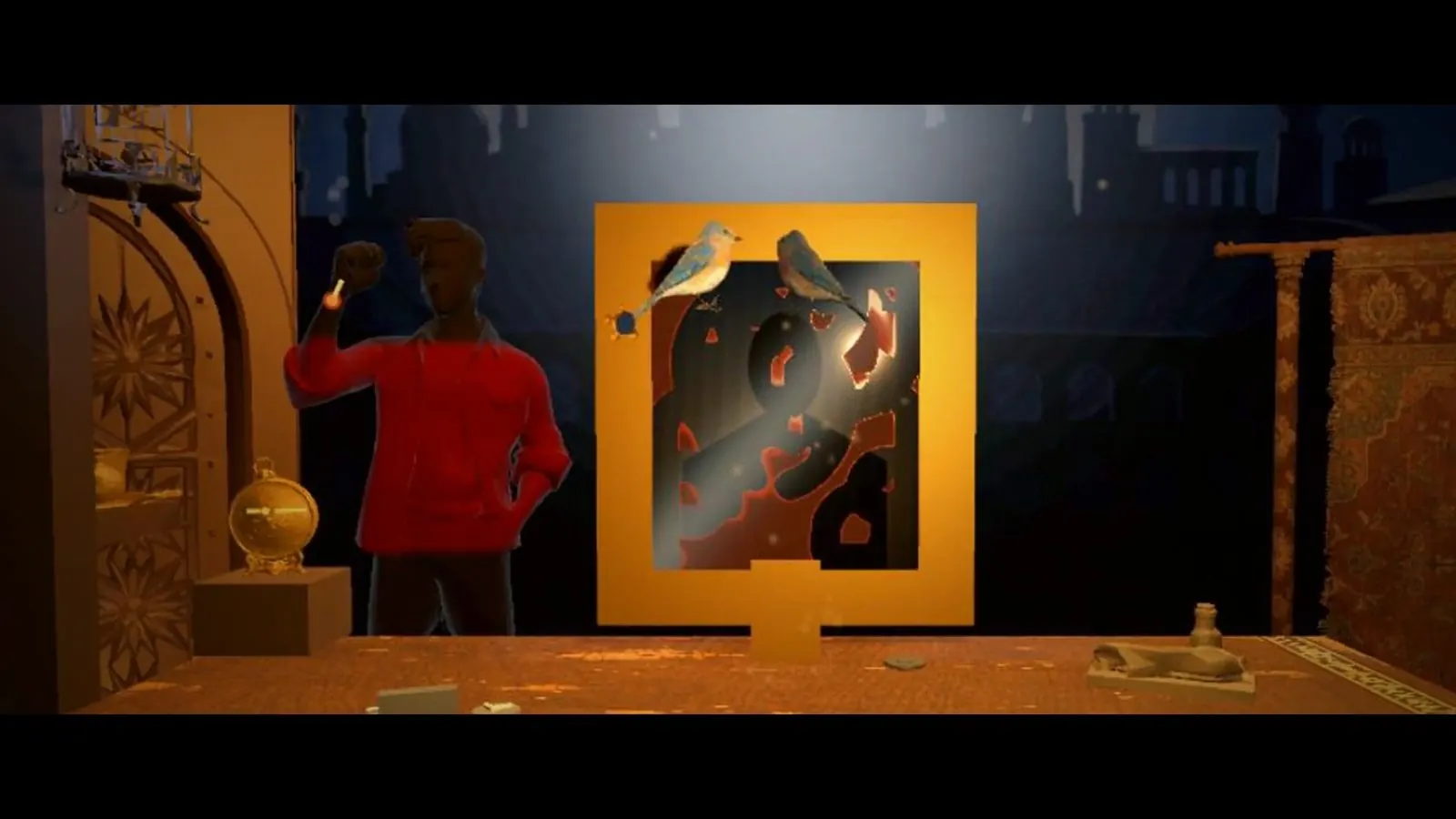
A customer sets a tarnished mirror on your counter and talks while you work. Rub with your finger — slow circles, oil, the samovar’s steam, your own breath — and the glass comes clear, and so does what they are really asking.
Polish
Grime, lacquer, cold tarnish, flakes that hide a carving. Each glass has its own rule for the hand, and your tools can be the wrong move.
Listen
Forty-two sittings, every line voiced. The customer speaks to you; the Reflection speaks for the glass. Neither says the thing directly.
Choose
Hand it back early with a kind lie, or polish it clear and tell them the truth. The ledger keeps what you chose. The glass remembers you.
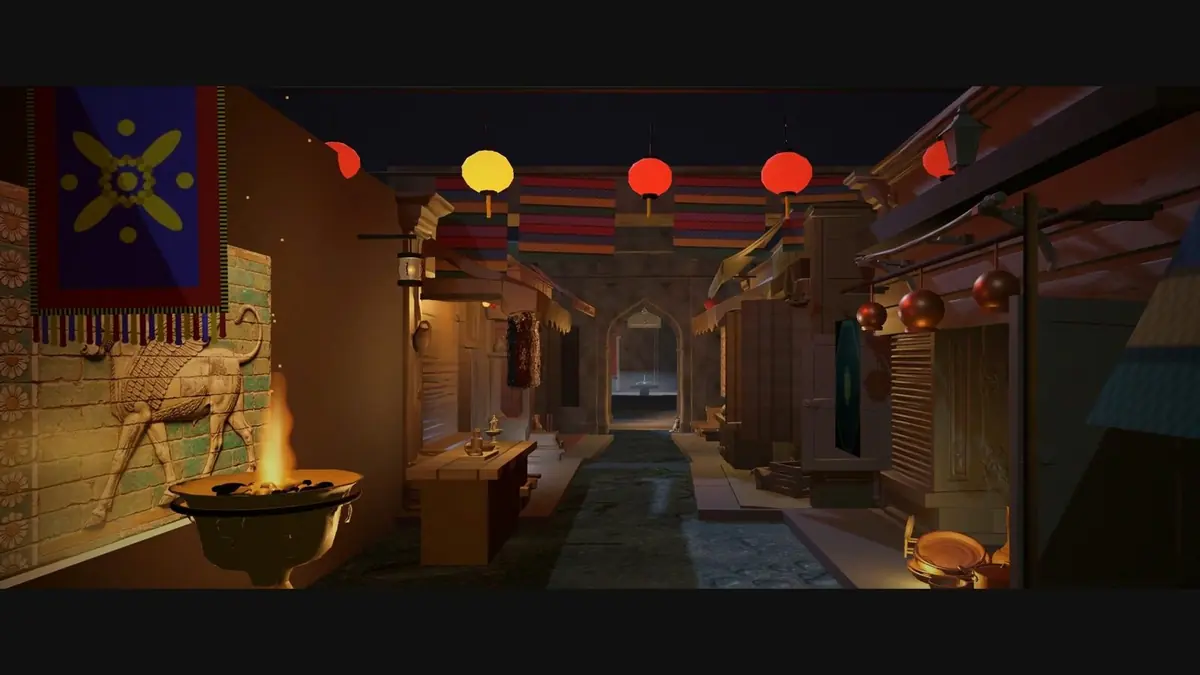
A bazaar between worlds, closing at dusk
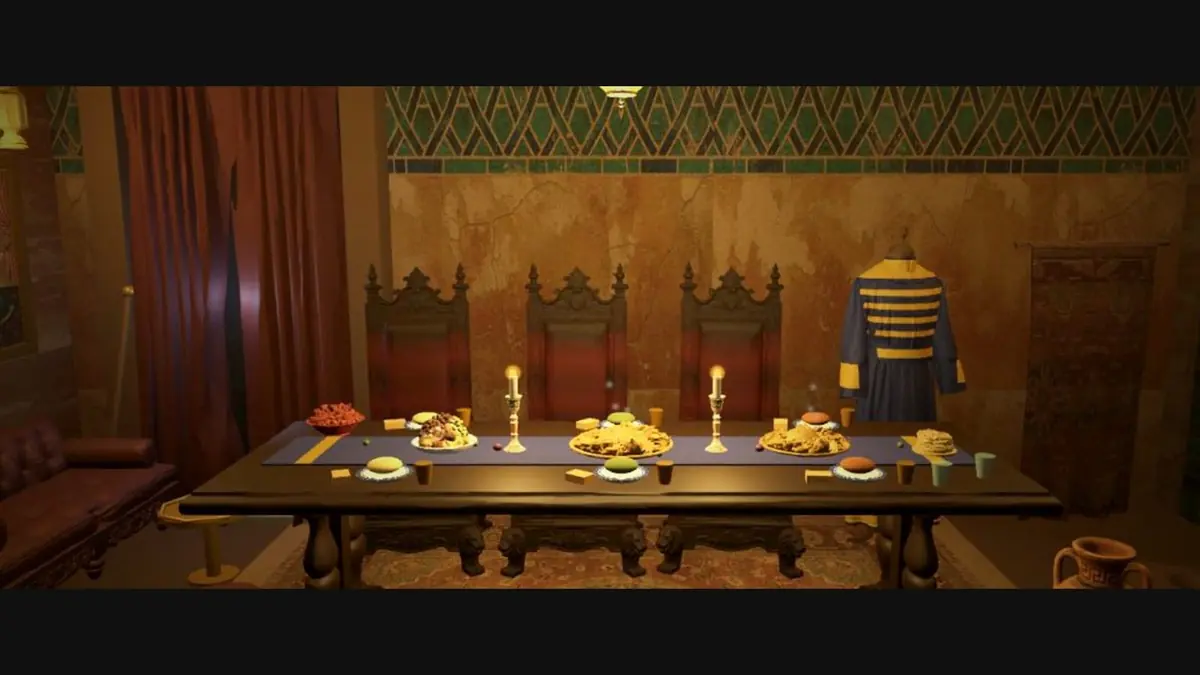
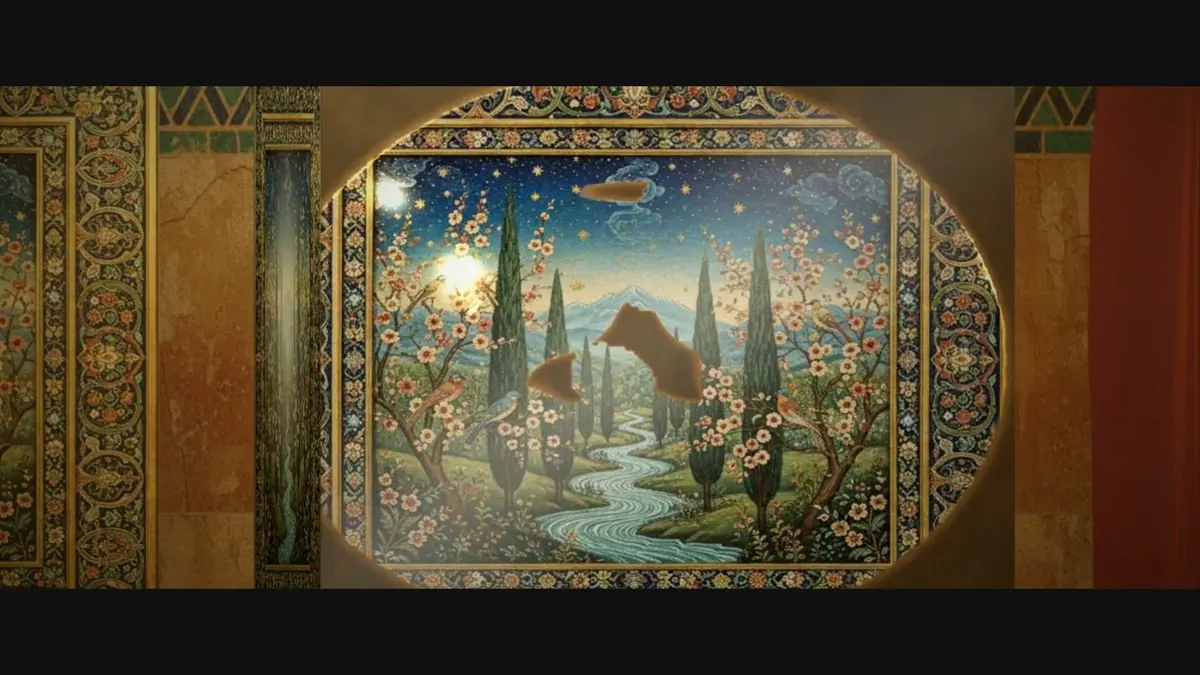
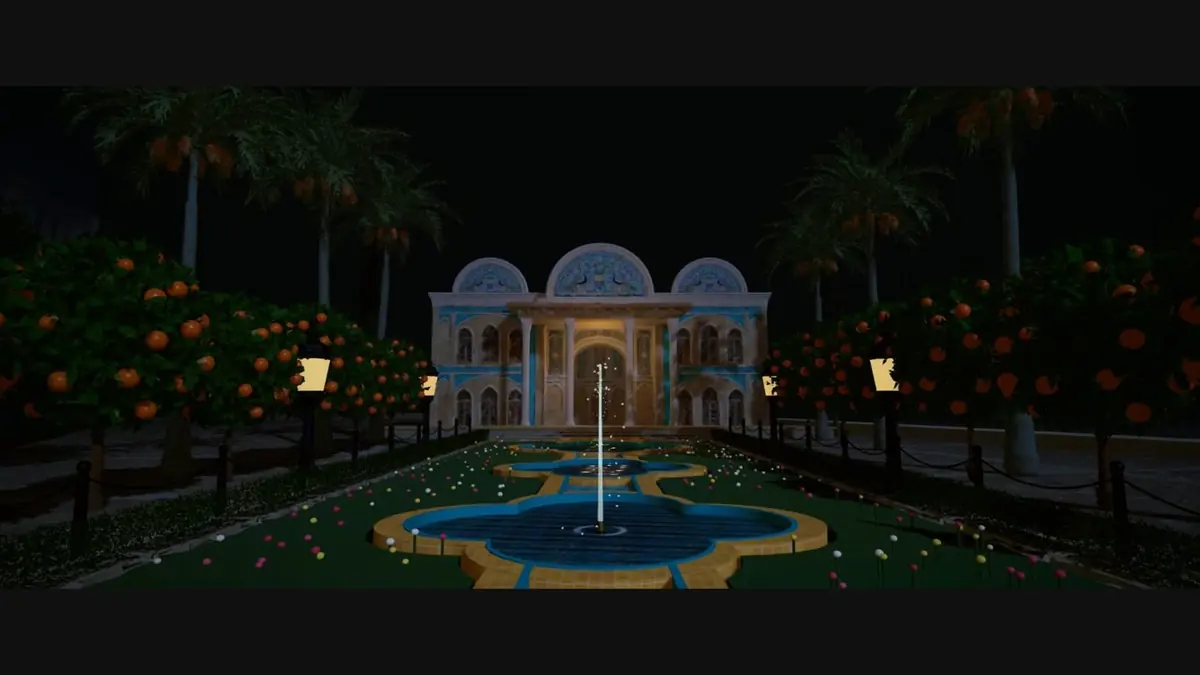
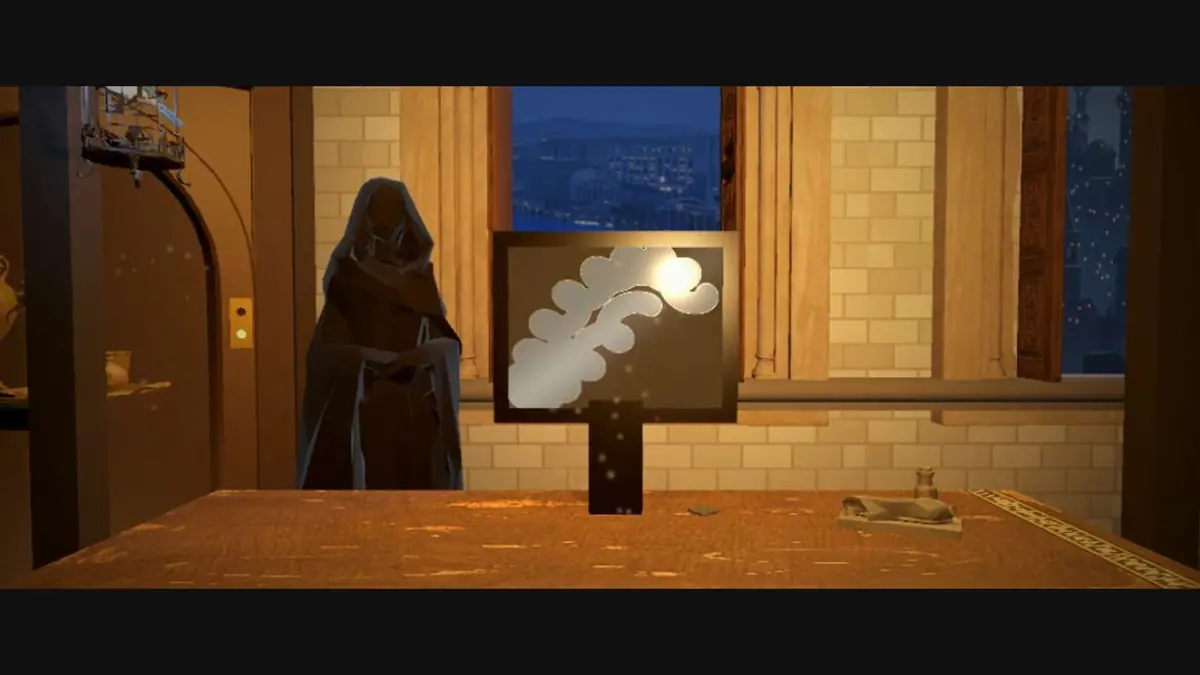
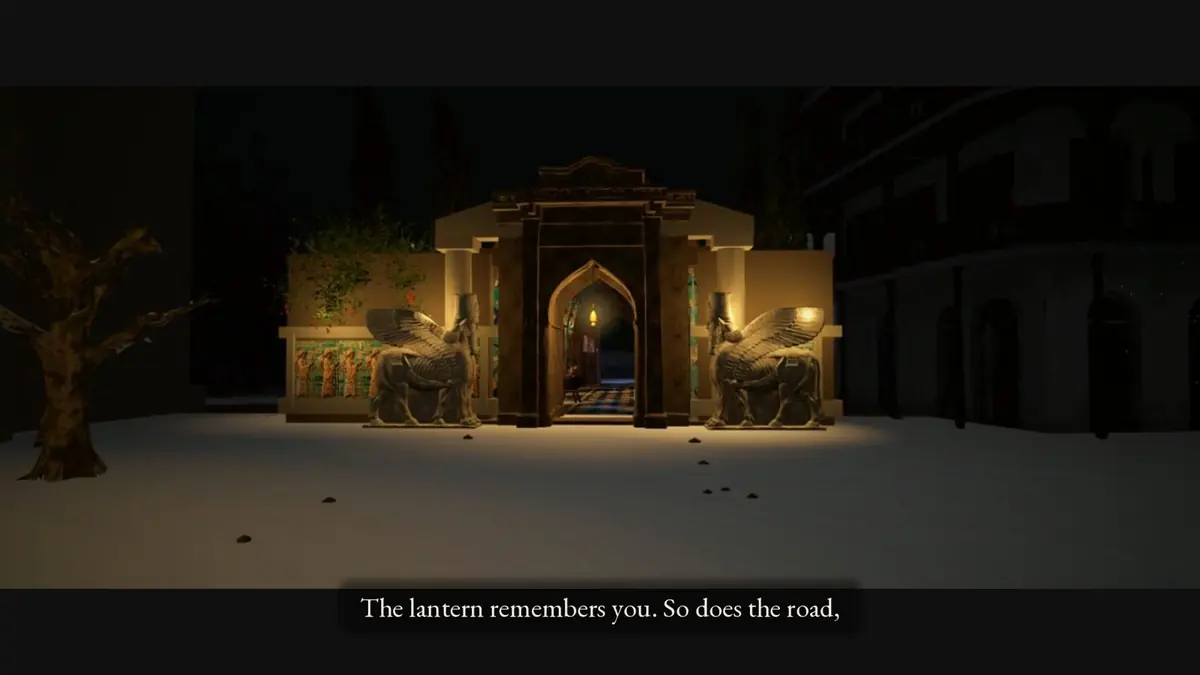
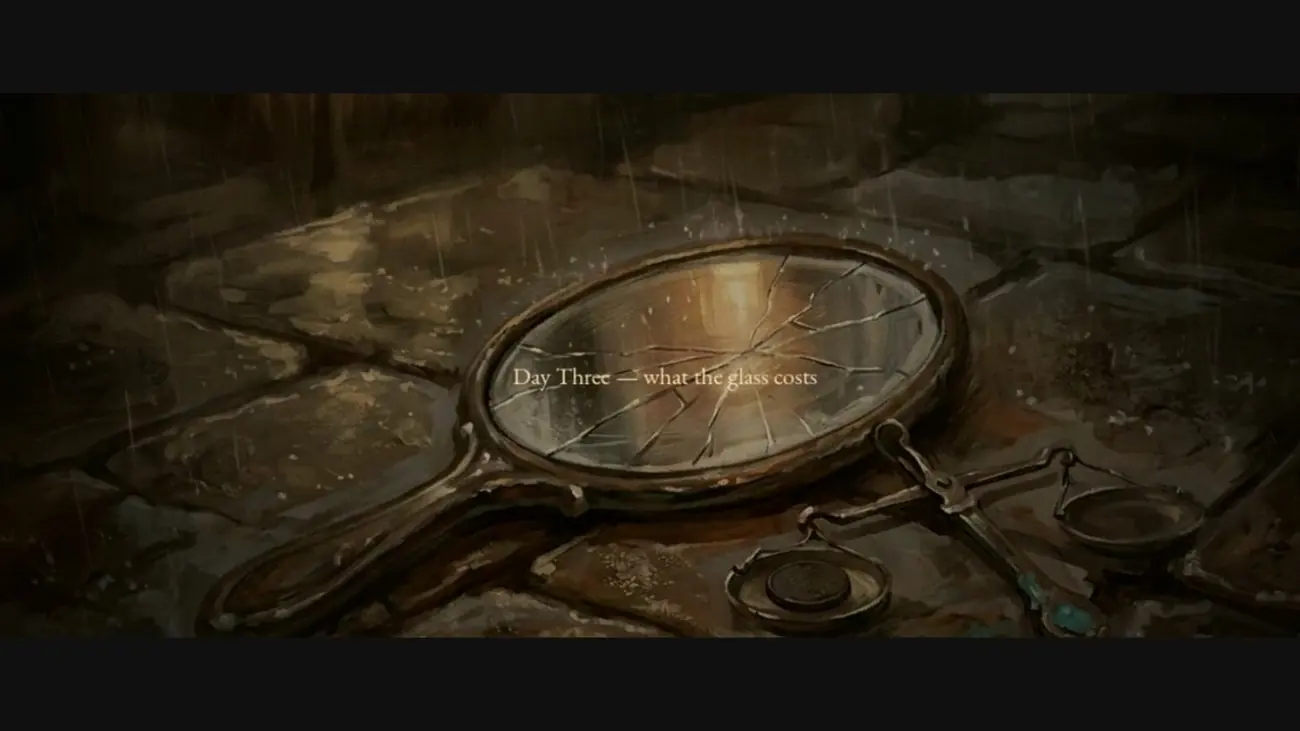
Seven evenings at the counter
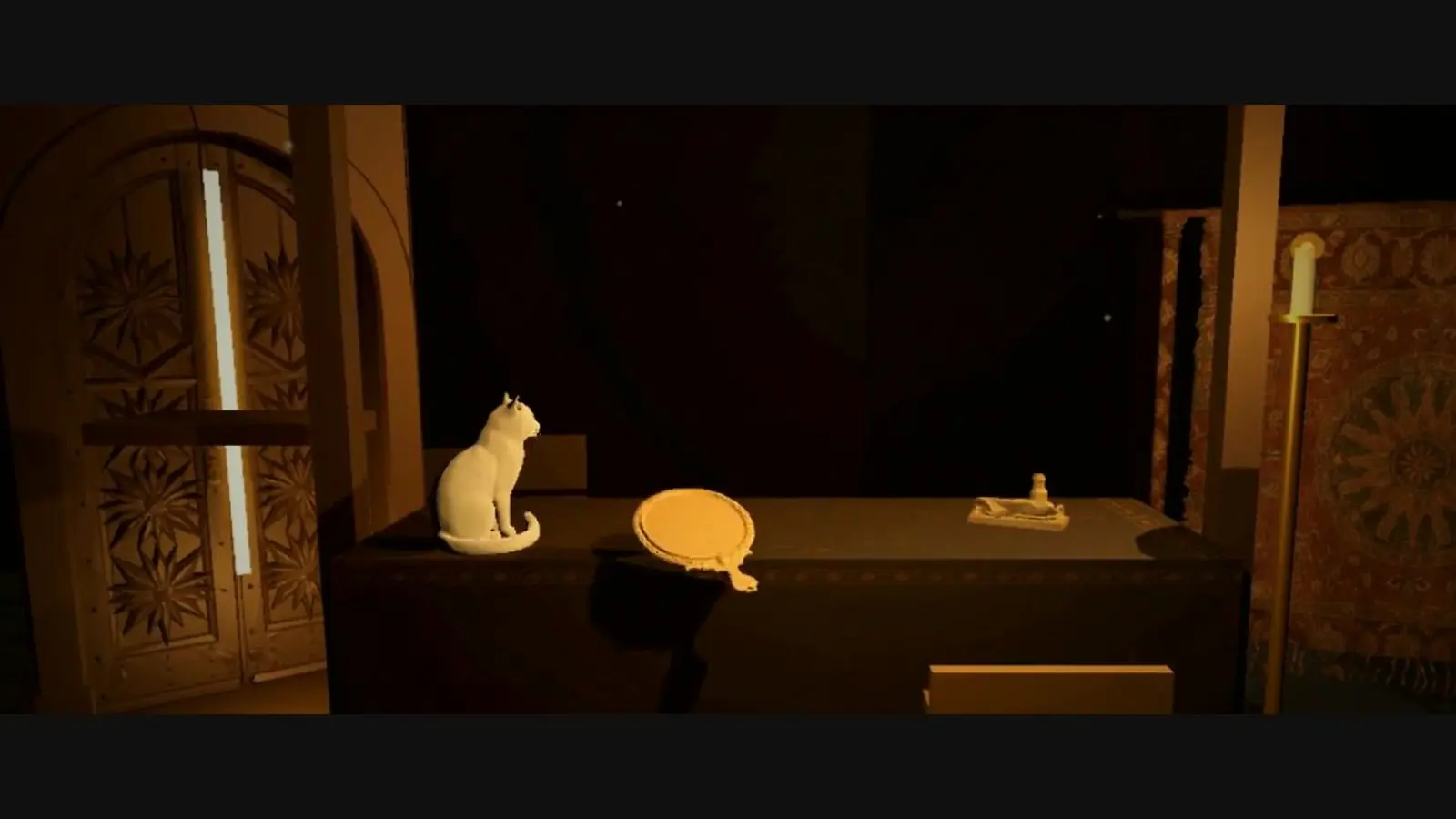
Twenty-five customers, from a soldier home from the war to a collector with four hundred witnesses. A letter under the cloth from the one before you. A cat who was here before the stall was, and whose price is one treat.
At night, five doors in the bazaar open onto its own stories:
- The Silent Parrot — a spice-seller’s, and a bird that repeats the wrong thing.
- The Hall of Two Walls — the palace and its disagreeing paintings.
- The Coat Is Fed — a feast room where the guest of honour is a coat.
- The Borrowed Colour — a dyer’s shop, and the colour that was not his.
- Two Lamps at Noon — a lamp-seller who lights them in daylight.
The same hand, taught fifteen new rules
Herd the dust out under the frame instead of rubbing it. Pass one glass between the two people who share it. Rest your hand on the one that wants to stay dim. Slide the lens under the cloth. Watch a child polish, and stop where your own record says you stopped.
Each day the stall loses one thing — the samovar, the roof, the wall, the posts, the lamps, your hand — and the week opens the strand, the Aquarium, the Underground where the first year’s mirrors hang, and a white room at the very end.
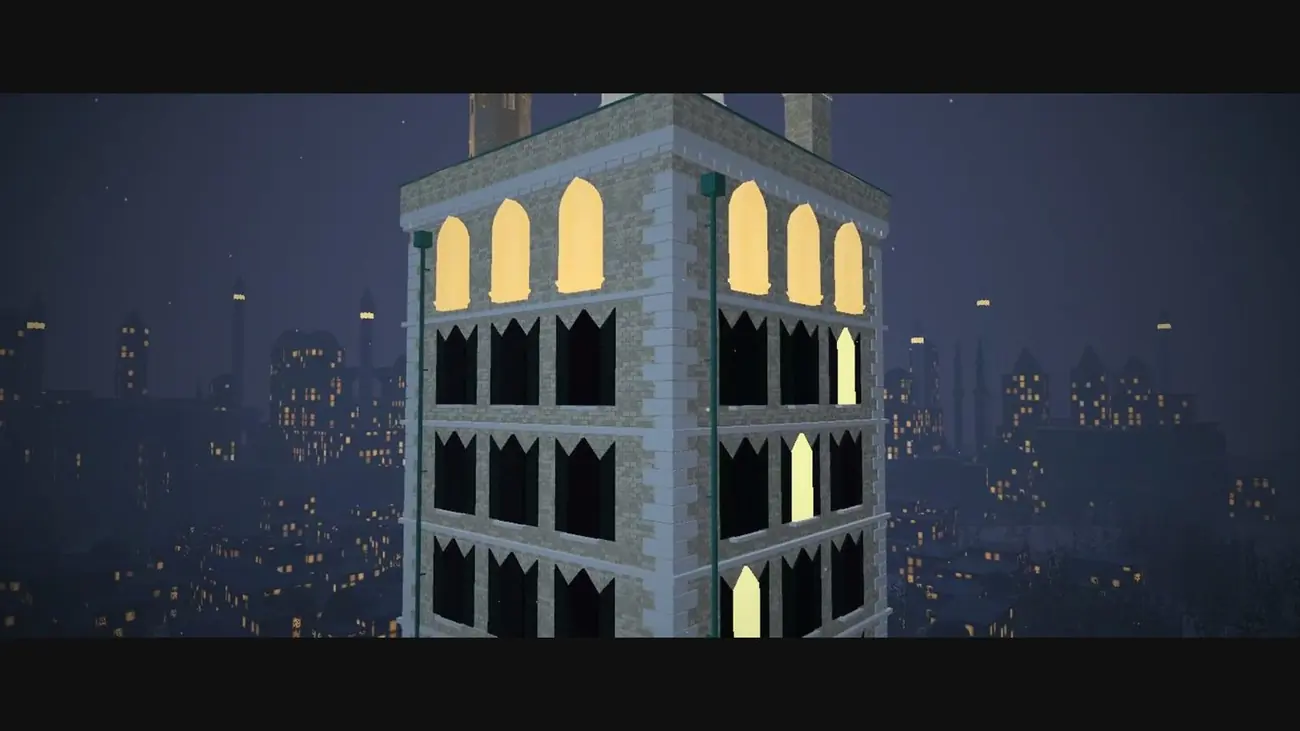
Three who stay
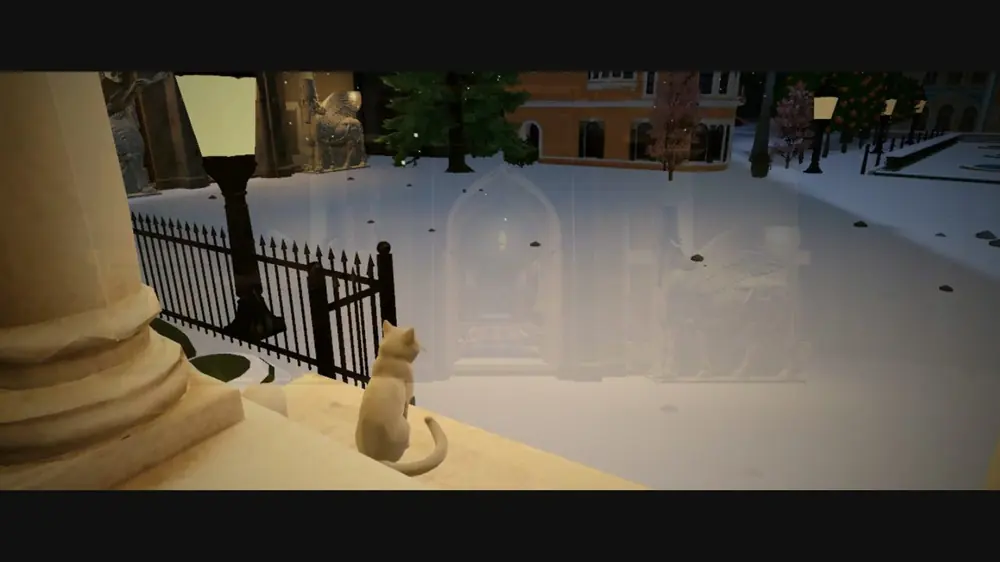
Pirooz
The cat. He sits on whatever you need, clears a patch of glass by sitting still, and keeps the stall’s nights — the moths are his business.
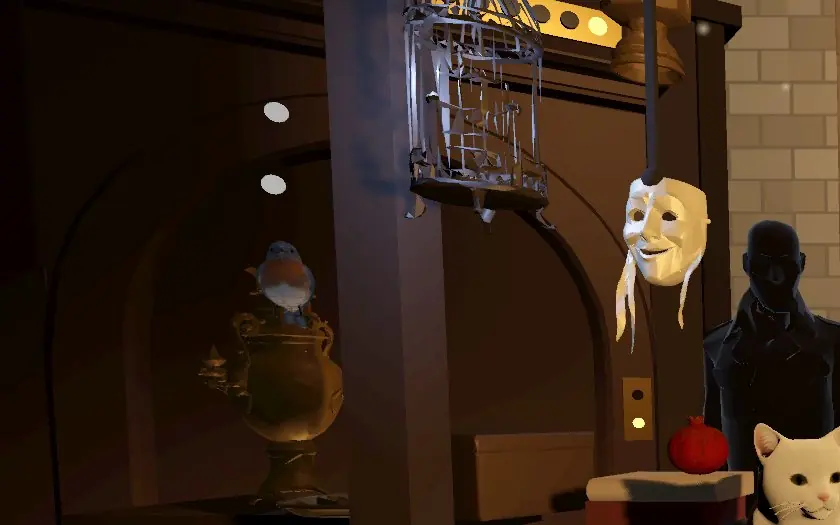
The bluebird
In a cage by the post, then not. It answers a good push with a burst of song, and on the snow day it is out, on the samovar.
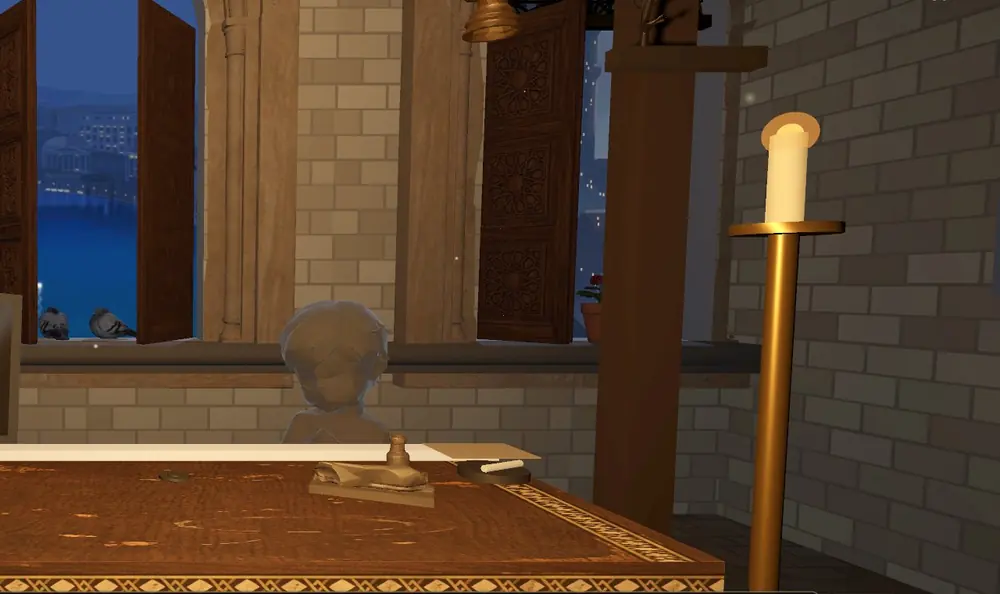
The Apprentice
She comes in out of the rain in the second year and sits at the counter’s end. Each morning a step closer; by the last day the cloth is in her hands.
Every line in English and in Persian
The whole game is voiced in both, and reads right to left when you switch. The stories are the bazaar’s own — Attar’s thirty birds, Nizami’s lovers who met in letters — told in original words.
این بازیِ آرامی است دربارهٔ صیقل دادنِ آینهها.
This is a quiet game about polishing mirrors.
Nothing between you and the glass
Day One is free
The first evening, whole. The other thirteen days and both years’ stories are one purchase — $12.99 — made through Apple, restorable on any of your devices.
No accounts, no ads
Nothing to sign up for, nothing tracked, nothing sent anywhere. The game works offline.
Your own face, kept by you
The small mirror in the introduction looks back at you, if you let it. One still stays on your device for the last scene of the first year; delete it in Settings any time.
iPhone, iPad and Mac
Made for a finger on glass; just as good with a trackpad. Reduced motion, an untimed mode and an assist for the hand, all in Settings.
Writing about Ayeneh?
The press kit holds the app icon, thirteen stills from the game and a fact sheet — one small folder, free to use in coverage.
Download the press kit (ZIP, 0.4 MB)If Ayeneh speaks to you: Pendar-e Nik and Liminal keep the same hours.
Ayeneh © 2026 Hessam Zahedi. All pictures are from the game.