From Console Cables to Cloud Infrastructure and leadership
Technology was never just a job for me. It was a direction I chose early in life.
As far back as I can remember, I wanted to build a career in IT. While still in high school, I started studying for CompTIA certifications like Network+, A+, and Security+, while also diving into the world of Microsoft certifications. I was fascinated by networking, infrastructure, and cybersecurity — especially Cisco and Microsoft technologies.
At 18 years old, I earned my first Microsoft certification: Installing, Configuring, and Administering Microsoft Windows XP Professional. That was the beginning of a long journey that eventually led me to complete the full MCSE track in 2006 with Designing Security for a Microsoft Windows Server 2003 Network.
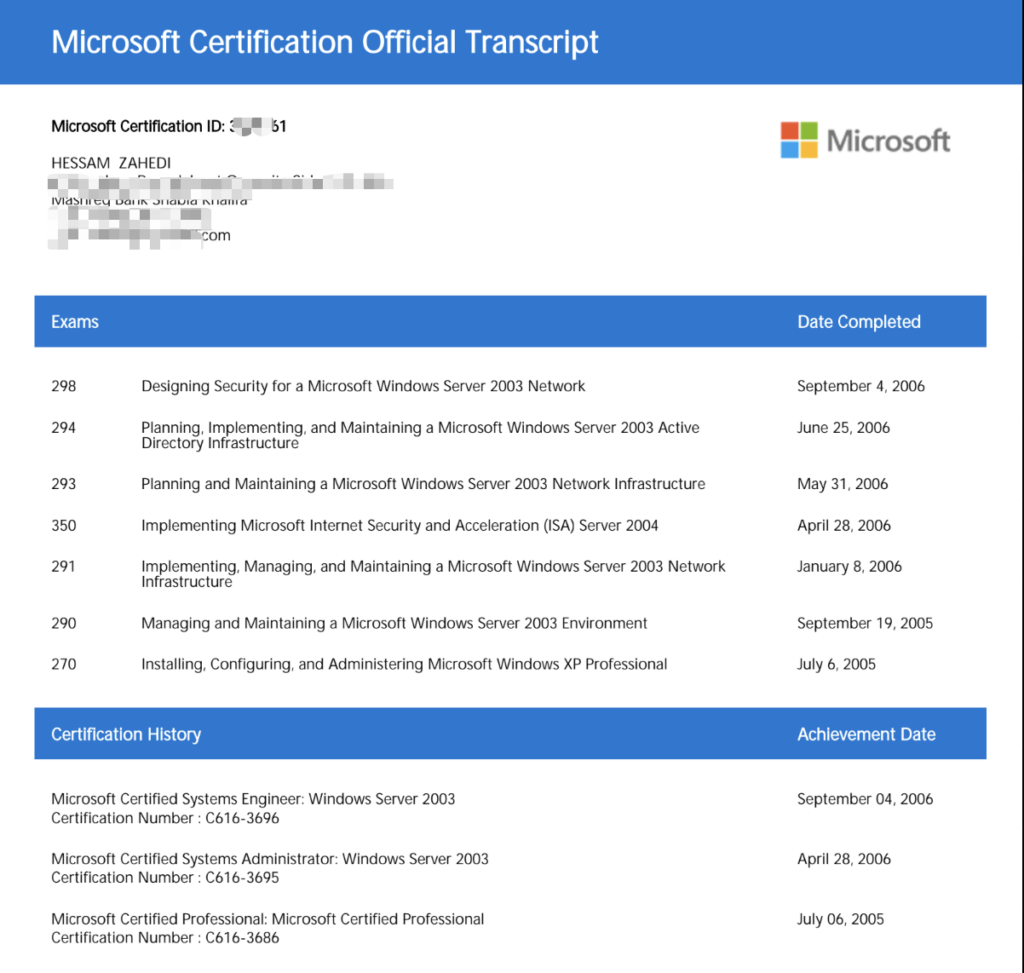
Over the years, my focus evolved toward cybersecurity, where I later pursued advanced certifications like CISSP and CompTIA CASP+/SecurityX and chose CASP+ since I still have a deep respect for the CompTIA path because it was one of the foundations that shaped my career.
Learning by Doing
My first real exposure to the industry came through IT academies. As an intern I helped maintain classrooms, refresh computers, and prepare labs for training sessions. In exchange, I gained access to learning resources, hands-on experience, and I found online platforms like TrainSignal and CBTNuggets to complement those.
That environment taught me something important very early:
Real learning happens when theory meets responsibility.
After a few years of internships, I moved into the world of managed services providers (MSPs). Those years were intense. Fast-paced environments forced me to learn quickly, solve problems under pressure, and understand how businesses actually use technology to achieve their goals.
Working with companies across different industries gave me a broad perspective on infrastructure, operations, and business strategy. Eventually, that experience shaped the next phase of my career: becoming an independent consultant and trusted advisor, helping organizations build stronger IT teams and modernize their technology stacks.
But before I get to that — let me tell you about the MSP days.
Wireless Towers and Chasing Connectivity
One of the most memorable chapters of my early career was working with internet service providers (ISP/ISDP) and infrastructure projects.
At the time, internet bandwidth was nothing like today. Companies relied heavily on intranet connectivity, Metro Ethernet, xDSL, wireless links, and later MPLS technologies to connect offices, factories, and remote locations.
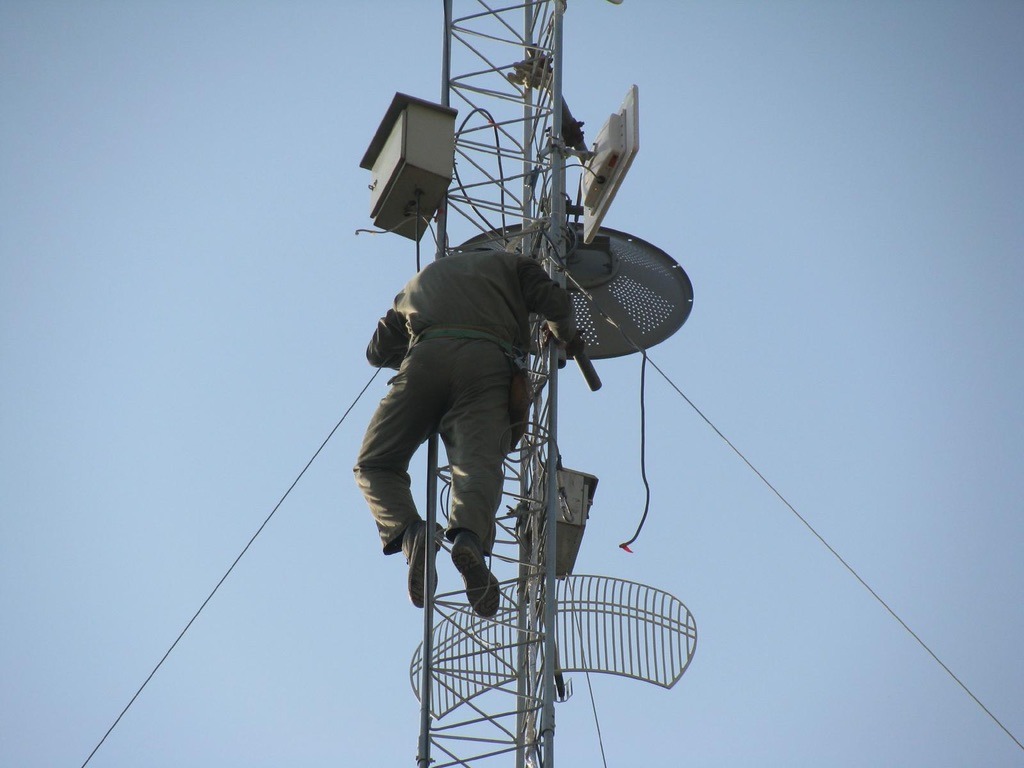
We would design and deploy wireless infrastructure in difficult environments. Sometimes that meant climbing remote sites, installing equipment in harsh conditions, and configuring routers and radios using nothing more than a laptop and a trusted console cable.
The picture below is not me! But I was the one who took the picture, working in small teams of two or three, we would design the network, coordinate with partners to build the towers and basic infrastructure, and then travel on-site to deploy the wireless equipment. While my colleague handled the physical installation, I would connect to the equipment with my trusted console cable, configure the IP addresses and routing, and work through the setup until that satisfying moment when the first successful ping came through.
And there was always one magical moment:
“We got Ping!”
Anyone who has worked in networking understands that feeling. After hours of setup, troubleshooting, and configuration, seeing connectivity come alive made every challenge worth it.
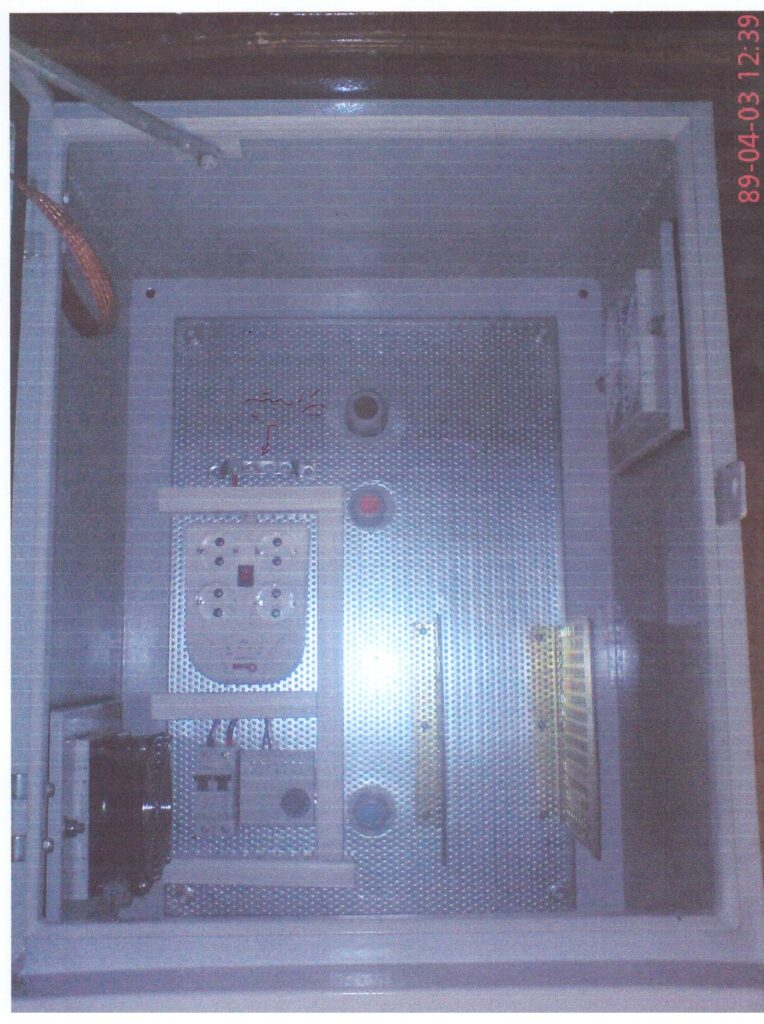
Those projects taught me resilience, creativity, and teamwork. Sometimes we even had to design custom enclosures and physical solutions for our equipment because off-the-shelf options simply didn’t exist.
There was also a lot of unexpected problem-solving involved beyond the technical work — everything from logistics to designing custom tools and hardware solutions. In some cases, we even had to build and fabricate specialized enclosures to safely host and protect our equipment in challenging environments.
Life Inside the Data Center
Later, I spent years working in data centers as a Microsoft, Cisco and Linux engineer.
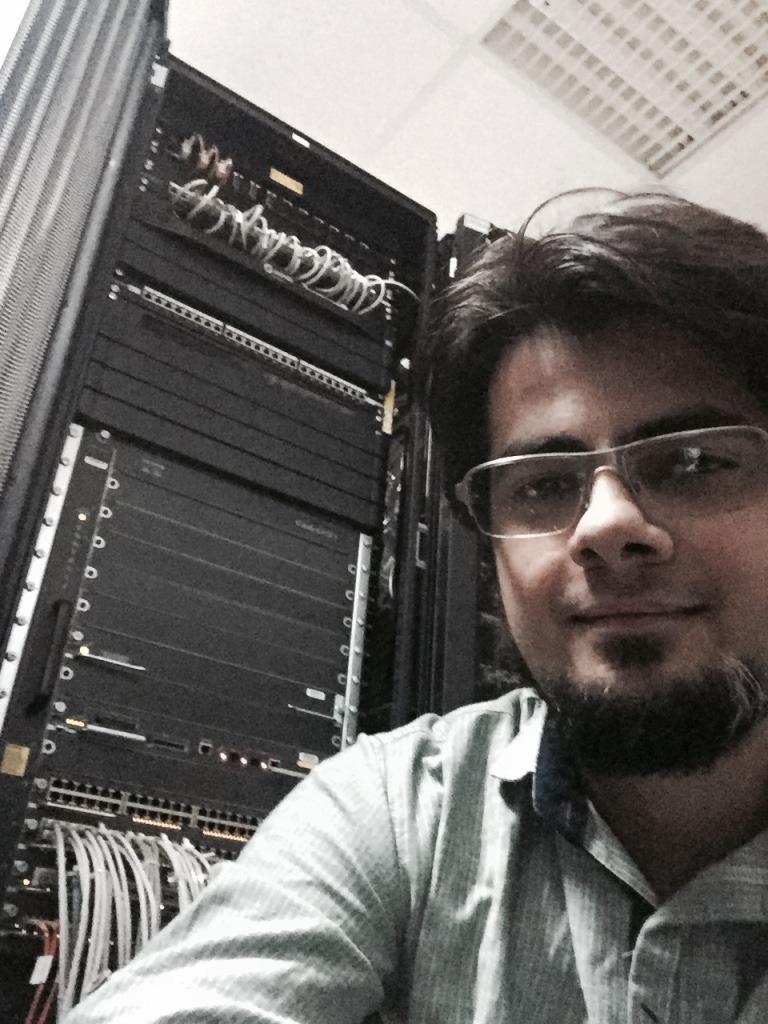
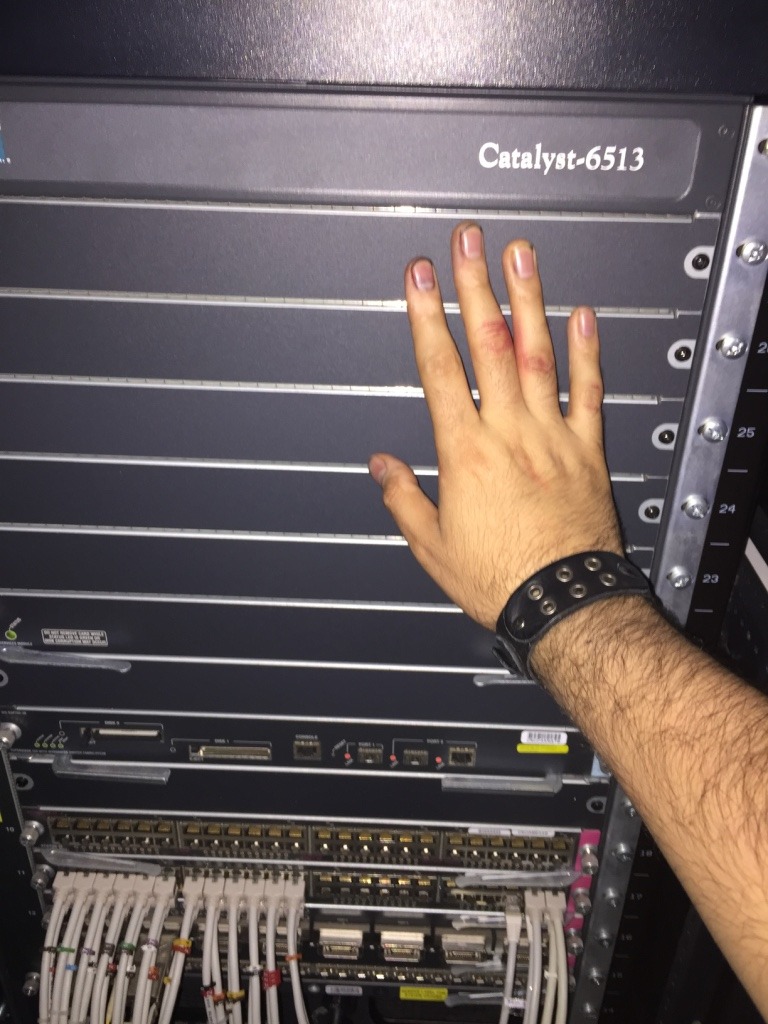
I worked with Cisco switches, routers, firewalls, blade servers, virtualization platforms, VoIP systems, Linux and Open-source technologies, VMware environments, and enterprise Microsoft technologies. One of my proudest moments was configuring massive Cisco Catalyst 6500 systems — powerful machines that represented the backbone of enterprise networking at the time:
Data center work was both mentally and physically demanding.
Heavy hardware installations, endless cabling, troubleshooting critical outages, and emergency overnight incidents became part of daily life. Sometimes you left with dirty hands, cuts, exhaustion, and the feeling that you had literally poured blood and sweat into the infrastructure.
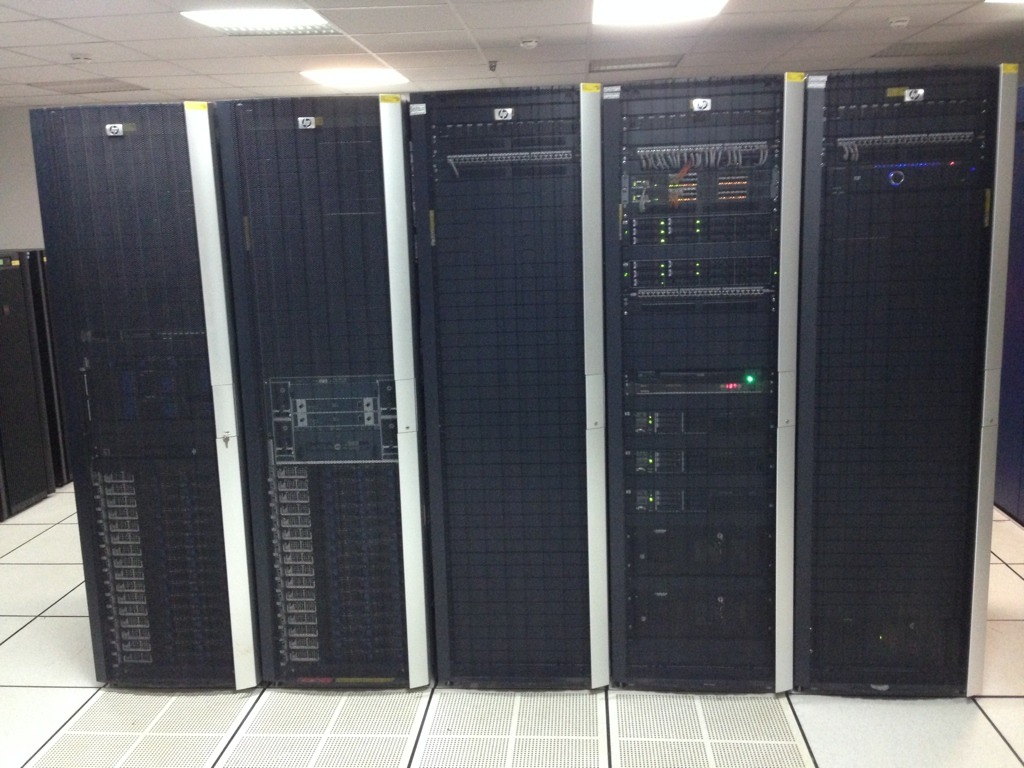
But there was also something deeply satisfying about walking through a clean, humming data center late at night — rows of blinking lights, cold air flowing through the racks, and knowing your work kept businesses running.
Of course, not every night stayed calm.
I still remember being woken up by alerts about cooling system failures. Imagine walking through the racks toward the cooling control:
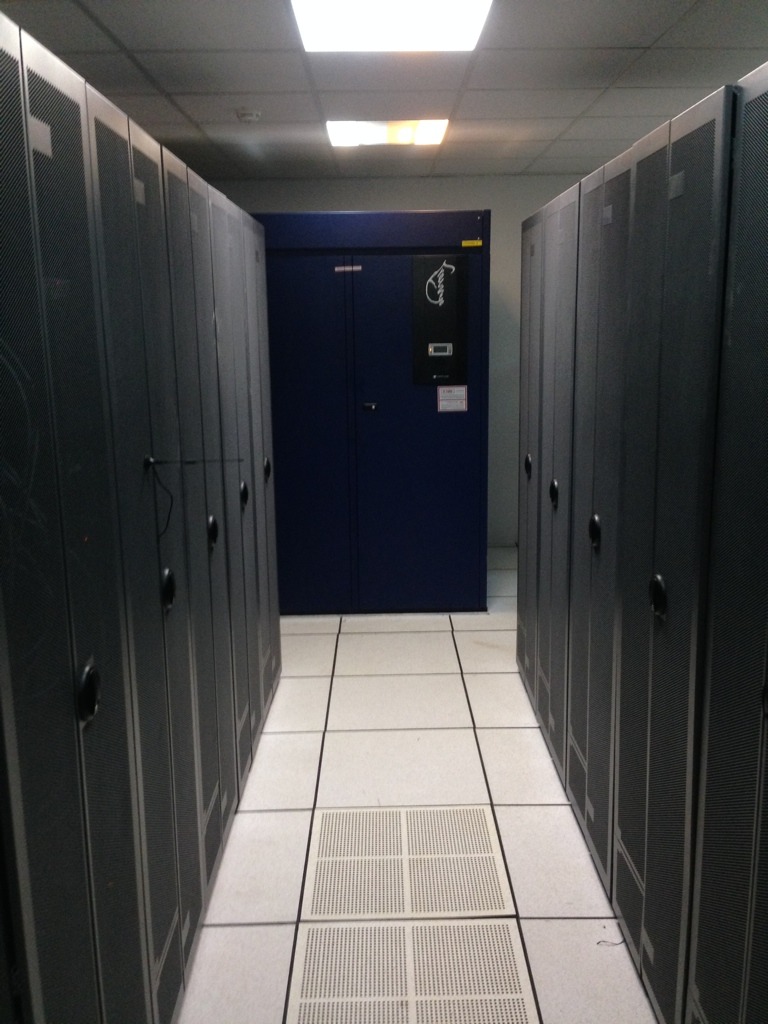
and seeing that all cooling towers have failed and OFF:

Walking into an overheating data center during a crisis changes your perspective quickly. Backup cooling systems struggled to keep temperatures under control while we shut down non-critical equipment to protect the environment.
Those moments taught me how critical calm decision-making is under pressure.
Building Resilience — On the Network and in the Team
Part of my consulting work involved more than just deploying infrastructure — it meant teaching the engineers who would maintain it.
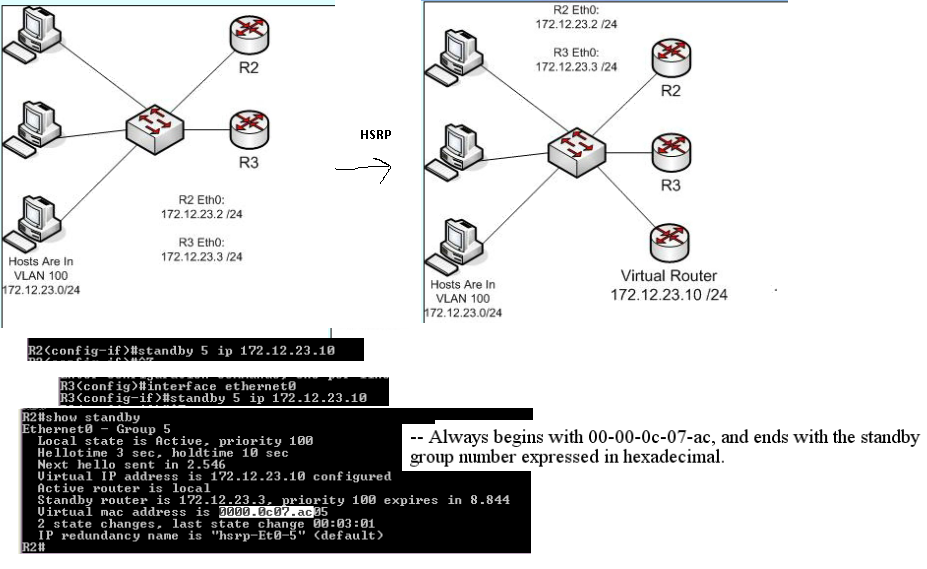
One recurring theme was network resilience. I developed and delivered hands-on training sessions around this, walking engineers through real configurations: virtual IPs, standby groups, priority tuning, preemption, and interface tracking so a WAN link failure could trigger an automatic failover …
It was one example of a broader principle I kept returning to throughout those years:
Resilience isn’t just a network design decision. It’s a culture you build — in systems, in teams, and in people.
looking back at my virtual whiteboard, this bring back good memories:
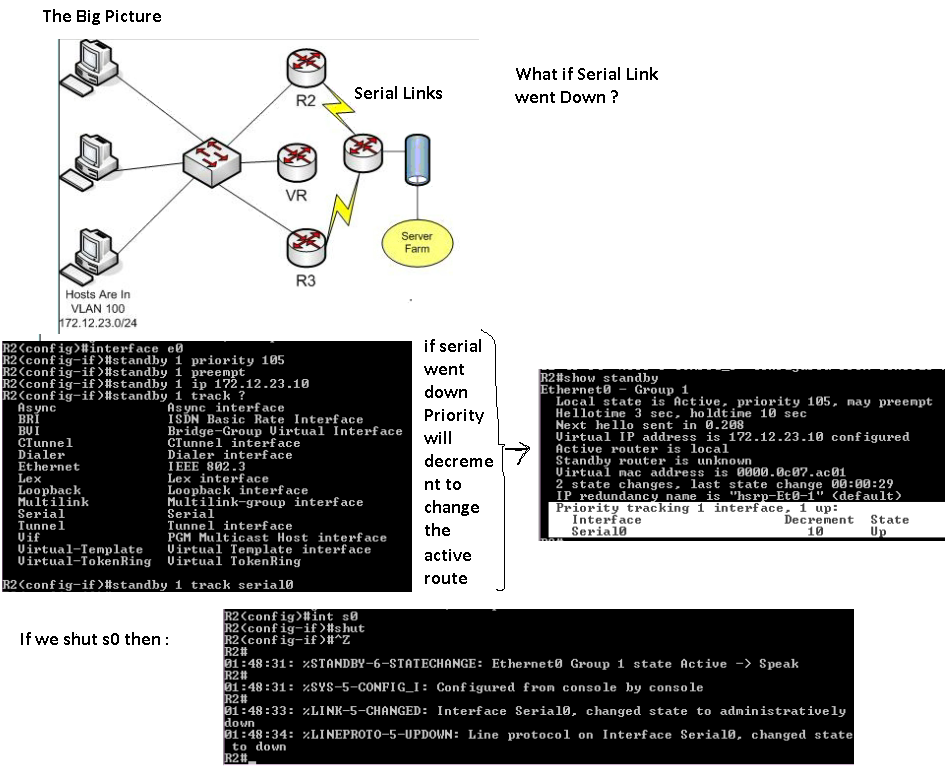
The best infrastructure I ever helped build wasn’t just fault-tolerant. It was maintained by engineers who understood why it was designed that way.
Building Resilience — On the Network and in the Team
Part of my consulting work involved more than just deploying infrastructure — it meant teaching the engineers who would maintain it.
One recurring theme was network resilience.
Security Becomes a Discipline, Not a Checkbox
Looking back, security was woven into my work from the very beginning — but somewhere along the way it stopped being just a layer and became a discipline.
In the MSP and data center years, security meant configuring firewalls, hardening servers, designing NOC/SOC capabilities, and implementing layered defense-in-depth across enterprise networks. I learned that good security was rarely about a single product. It was about how systems were designed, segmented, monitored, and operated.
As I moved into senior infrastructure and leadership roles, my security work matured into:
- Threat modeling and gap analysis to understand where real risk actually lives
- Defense-in-depth strategies spanning network, endpoint, identity, and data
- Security governance, policy frameworks, and IT compliance aligned with business objectives
- Vulnerability and risk management programs that prioritized action over noise
- Deploying and operating modern security tooling — SIEM, XDR, DLP, MDM, CASB, data classification, identity providers (Okta), and EDR (CrowdStrike)
- Business Impact Analysis, Disaster Recovery, and Business Continuity Planning
- Incident response leadership during real-world security events
The most rewarding part of this evolution was realizing that security isn’t a department — it’s a posture. The best security outcomes I’ve helped deliver came from teams where engineering, operations, and leadership all understood their role in defending the business. My job became less about owning every control and more about building the culture, processes, and partnerships that make security sustainable.
The Shift to Cloud and Startups
As the industry evolved, so did my career.
I transitioned from large-scale infrastructure and traditional data centers into startup environments and cloud technologies. It was an exciting era filled with innovation, rapid experimentation, and global collaboration.
There’s a phrase I keep coming back to when I describe my transition into fractional and senior leadership roles:
From expert to trusted partner.
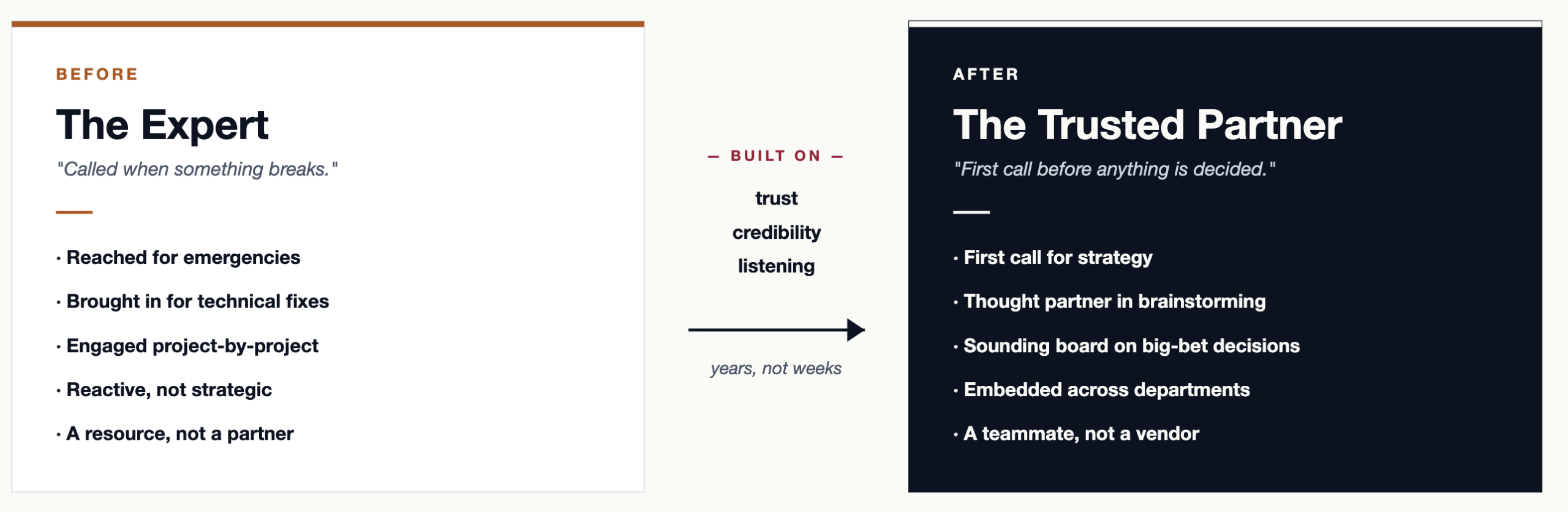
I worked with diverse international teams, helped build new systems, and embraced the growing world of cloud infrastructure and modern IT operations.
Becoming a Leader
Somewhere along the way, the role changed.
The work used to be: design the network, configure the firewall, build the cluster, fix the outage. Then one day I realized most of my impact came from a different place — from how I led the people doing that work, how I framed strategy with the executive team, how I built trust across departments, and how I helped engineers grow.
Moving from hands-on engineering into leadership wasn’t a single decision; it was a gradual shift, and one I’ve come to appreciate as much as the technical work itself. A few principles guide how I lead today:
- Authenticity over performance. I’m naturally introverted, and I’ve stopped apologizing for it. I listen more than I speak. When I do speak, I want it to count.
- No micromanagement. I’d rather give my team a clear why, strong context, and the space to own their work than dictate the how.
- Empathy as an active skill. Active listening, perspective-taking, and creating a safe space for questions are not soft skills. They’re how teams actually function.
- Curiosity, always. Curiosity drives innovation, invites better ideas, and makes the work fun. A team that asks good questions outperforms a team that just executes instructions.
- Collective responsibility. I borrowed this from my time around Merck. Everyone contributes to the team’s success — internal staff, partners, users, leadership. Nobody is “just doing their job.”
- Respect the culture. Culture tells people what’s expected, accepted, and respected. Leaders shape it whether they mean to or not.
- Humility. Make room for others’ contributions. Recognize your own limits. Ask for help.
- Be an engineer in charge. Strategy realization requires technical depth. I’ve never stopped sharpening my engineering skills, and I never will. It keeps me honest, useful, and credible to the people I lead.
Pharma, a Pandemic, and a Merger
Later, I moved into the pharmaceutical and healthcare industries, where technology carried even greater responsibility. During the pandemic, I experienced one of the most transformative events of my career: navigating a company merger while supporting critical operations in Pharma environments.
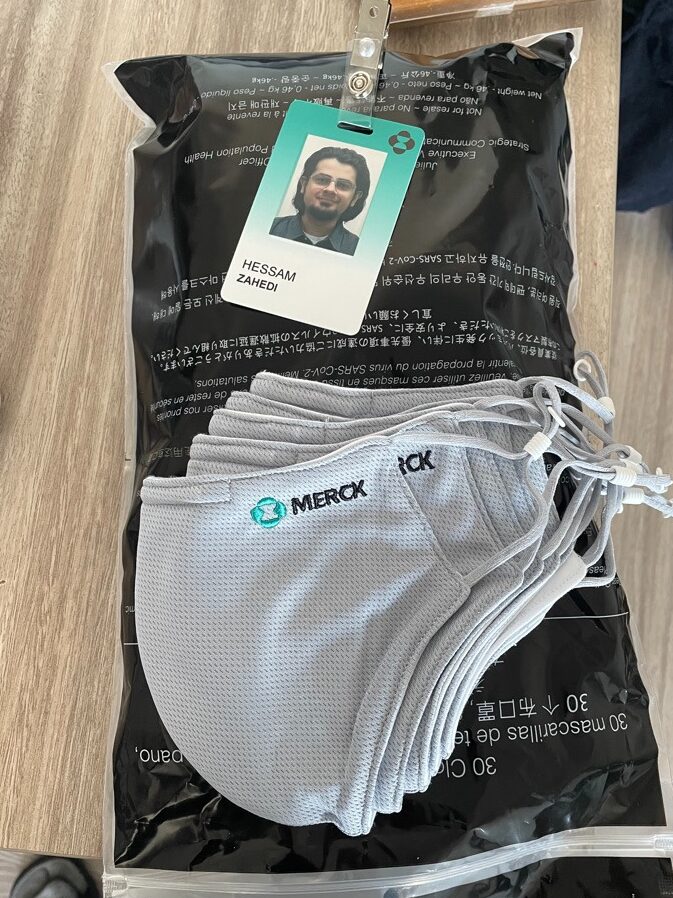
While much of the world worked remotely, some responsibilities still required people on-site.
Someone still had to swap those old backup tapes.
Someone still had to maintain infrastructure.
Someone still had to respond when systems failed.
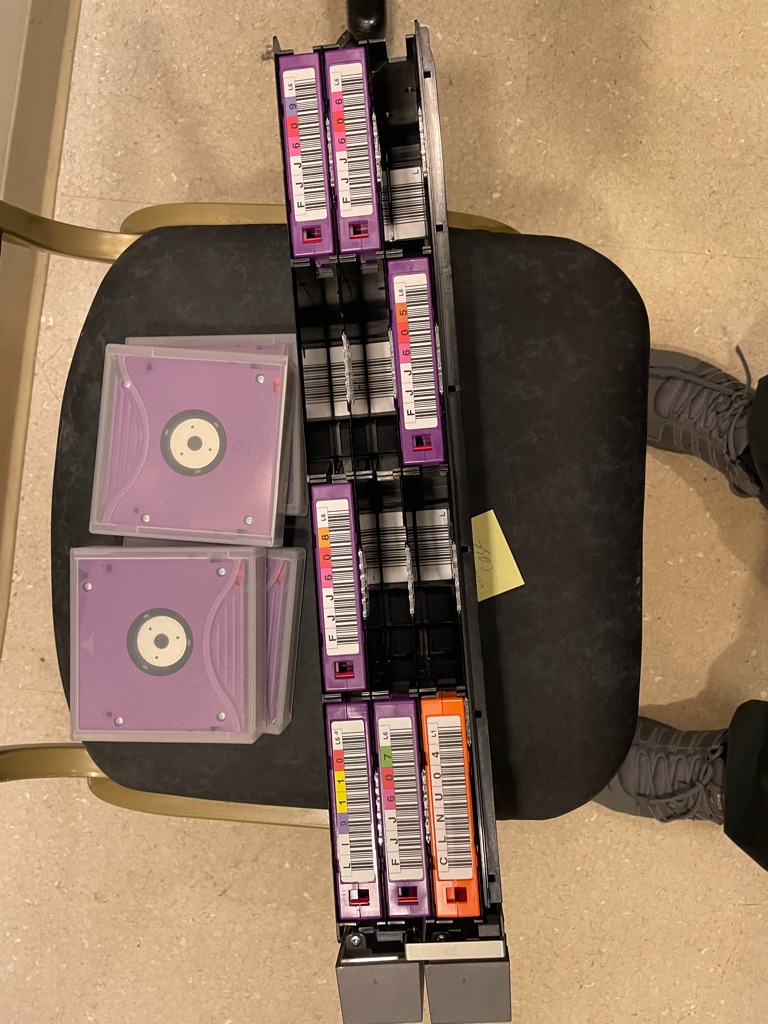
That period reinforced the importance of adaptability, responsibility, and leadership during uncertain times.
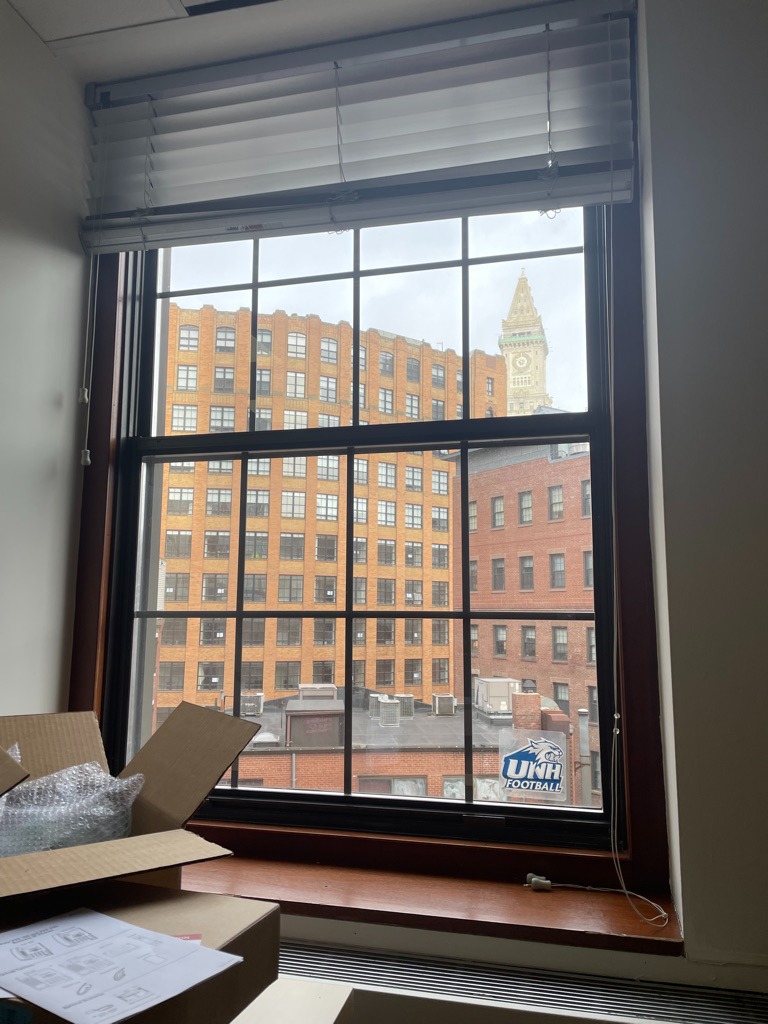
I’d also like to share the view from my shared office during the hybrid-work days at Stepping Stones, located in Boston’s Financial District, where I had a clear view of the iconic Boston Custom House Observation Tower.
As my career progressed, I gradually moved from hands-on engineering roles into leadership positions, where I discovered a new passion: strategy, mentorship, and building high-performing teams. While I still enjoyed the technical side of infrastructure and cybersecurity, I found equal satisfaction in helping shape long-term technology vision, leading complex initiatives, and guiding organizations through growth and transformation. Taking on higher-level roles gave me the opportunity to combine technical expertise with leadership, business strategy, and decision-making — something that became one of the most rewarding parts of my professional journey.
Looking Back
When I look back at the journey — from studying certifications as a teenager, to building interconnected networks, managing data centers, consulting for startups, and supporting Pharma and healthcare operations during a global pandemic — one thing stands out clearly:
Hard work compounds.
Every late night, every certification, every outage, every difficult deployment, and every challenge became part of a larger story.
Technology changes constantly, but curiosity, discipline, and persistence remain timeless.
And honestly, solving problems, delivering results, and making progress toward meaningful goals still gives me the same excitement I felt the very first time I successfully brought a system online. That sense of curiosity, momentum, and accomplishment is something that has stayed with me throughout every stage of my career.